As an Amazon Associate I earn from qualifying purchases. This article includes affiliate links; purchases may earn us a commission at no extra cost to you.
What should a family bring when campground water is turned off?
Bring drinking water from a confirmed potable source for everyone, plus water for cooking, handwashing, dishes and a separate reserve. Check the nearest working refill point and restroom for your dates. If the full supply will not fit safely in the car, shorten the trip or choose another campground.
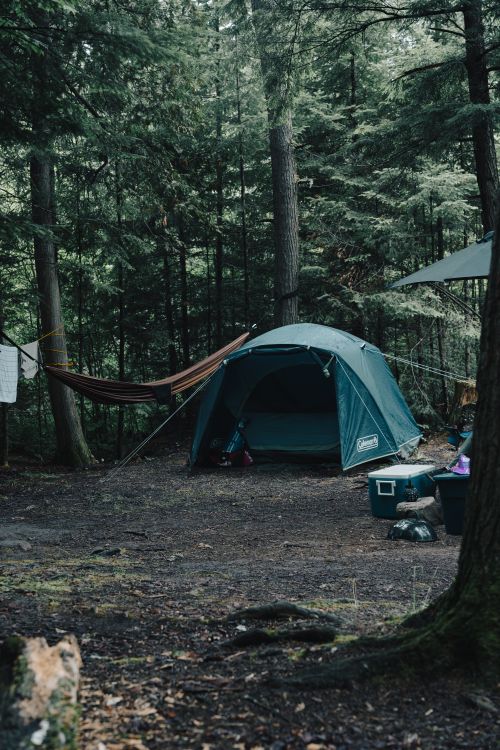
A reservation can cover a patch of ground long after the campground has turned off its taps. At Manzanita Lake in California, the National Park Service lists October 7 through November 11 as the projected 2026 dry camping period for loops A and B. Drinking water and flush toilets are unavailable during that period, and conditions can change the dates. A family arriving with an empty jug could have exactly the site they booked and still need to turn around. Check the park’s operating schedule before you drive.
Which tap will actually be working?
Look up your loop and your arrival date together. A park can have drinking water at a visitor center several miles from the tent sites. At Mojave National Preserve, for example, campers at Mid Hills must haul water in, while Hole-in-the-Wall has potable water. The same park-wide amenities list can describe two very different weekends. See the Mojave campground descriptions.
Write down the name of the drinking-water point, its hours, and a second place you can reach with the fuel and daylight you have. Ask the campground directly if its reservation listing and alerts disagree. Find out which toilet is open and how far it is from your site. If a family member needs an accessible restroom, confirm that specific facility before committing to the trip.
How do you estimate water for your own family?
Start with the time between leaving your last confirmed refill point and reaching the next one. Count Friday dinner, both nights and Sunday pack-up if all three fall inside that window. Make four lines on paper and put the quantities in the same units before adding them.
- Drinks. Count each person’s bottles and expected refills, including the drive, walks, hot drinks and the trip back. Allow for activity and weather.
- Meals. Read the recipes or packets. Count breakfast water separately from coffee, and include the water you need to clean up afterward.
- Hands and dishes. Try your proposed setup in the kitchen with a measured jug. Measure a full wash and rinse cycle and multiply by the number of meals. Add handwashing between meals.
- Reserve. Set aside a separate container for a spill, a delayed departure or a closed refill stop. Include pets’ needs if they are coming.
For example, a recipe calling for two cups of water uses half a US quart. Cooking that recipe twice consumes a full quart before anyone takes a drink. If your test wash uses another two quarts each time, those two dinners account for five quarts altogether. This is a kitchen subtotal. Add the other lines to get your trip total. If that total exceeds what you can carry, shorten the stay or choose a site with a dependable supply.
Where should the containers go?
Use clean containers intended for drinking water and fill them from a known potable source. Try lifting and pouring each one while full before packing the car. Two smaller containers can be easier for one adult to lift than a single large jug. Stand them upright, secure them for the drive, and keep a bottle within reach when you stop. Store the reserve separately so one loose cap cannot empty both supplies.
At camp, choose a stable dispensing spot where children can reach their bottles without tipping the jug. Keep the outlet clear of hands and dirty dishes. Use a separate basin for used wash water and follow campground directions for disposal. On Saturday morning, check actual use against your estimate while there is still time to make the refill drive.
Could a personal water filter replace the jugs?
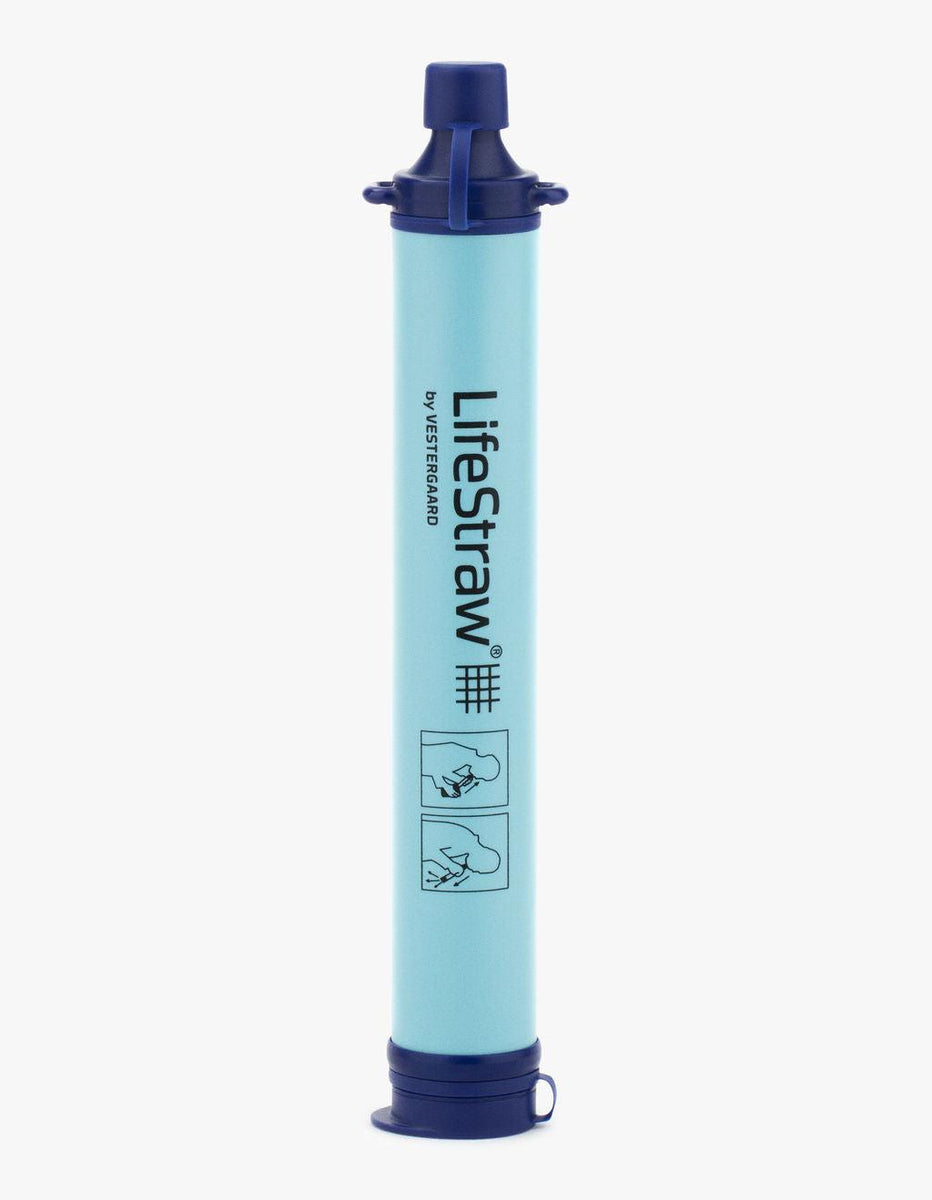
The blue LifeStraw Personal Water Filter on Amazon is a straw an individual drinks through. It does not dispense a basin of water for washing or fill a pot for dinner. LifeStraw says its microfilter handles bacteria and parasites and does not remove viruses. Never assume an unknown water source is suitable simply because you have the straw. See LifeStraw’s product information and our guide to the Personal model.
Before setting off, put the refill address, opening hours, kitchen subtotal and reserve container location on the same page as your reservation. A printout or the $9 Family Camping Weekend Planner works even if the campground has no cell service.
Useful next steps
Compare gear essentials before buying, or estimate your weekend costs with our free calculator.