As an Amazon Associate I earn from qualifying purchases. This article includes affiliate links; purchases may earn us a commission at no extra cost to you.
How can you reduce condensation inside a camping tent?
Pitch the tent according to its instructions, use its designed ventilation, keep damp gear away from the sleeping space and prevent bedding from touching wet fabric. Condensation can still occur in humid conditions. Check the moisture pattern before assuming a leak, and dry the tent thoroughly before storage.
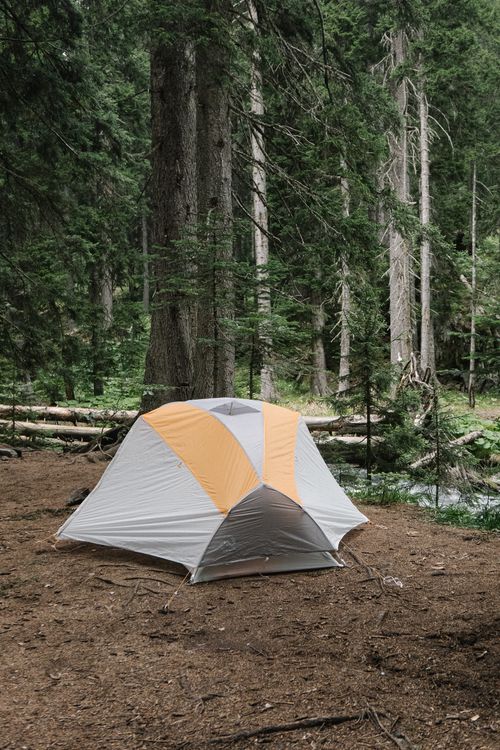
Water inside a tent is frustrating, especially when everyone went to bed dry and it barely rained. Before buying waterproofing spray or replacing the tent, work out where the water is appearing. Condensation is a moisture-management problem that can affect a sound tent. A leak is a different problem, and the fixes are not interchangeable.
Why is the inside of the tent wet in the morning?
Moist air meeting cooler tent fabric can leave water droplets behind. Breathing, damp equipment and the surrounding conditions all contribute. In a double-wall tent, moisture may collect beneath the rainfly while the inner sleeping compartment stays relatively dry. Cascade Designs explains the moisture sources and ventilation features. A wet fly alone does not prove the fabric has failed.
Start by looking before disturbing the tent. Are droplets spread over the inside of the fly, or is water entering at one seam during rain? Is a sleeping bag touching a wet surface? Take a photo of the location and note the weather. Those details will be more useful to the manufacturer than a general description that the tent is leaking.
What should you check before changing anything?
- The model instructions: identify the vents, attachment points and intended rainfly gap.
- The pitch: check whether fabric is sagging or bedding is pressing the inner against the fly.
- Wet items: find jackets, towels or footwear adding moisture to the sleeping space.
- The pattern: distinguish widespread droplets from a repeated, localized entry point.
This is a troubleshooting sequence, not a definitive leak test. Both condensation and damage can be present. If water keeps entering the same place, check the care instructions and contact the maker before applying a treatment that might be incompatible with the fabric.
Should you open the vents when it feels cold?
Use the ventilation your tent is designed to provide, while maintaining the rain and wind protection appropriate to conditions. Check small vent supports as well as obvious doors: a vent folded shut cannot perform its intended job. Follow the manufacturer’s instructions for tension and orientation rather than opening every panel regardless of weather.
Ventilation can help moisture escape, but it cannot promise a dry tent in every climate. MSR’s manual notes that very humid conditions can make condensation difficult to reduce. Treat online advice to “just open everything” as incomplete. Read the MSR owner’s manual for its explanation of this limitation; your own tent’s setup instructions still take priority.
Where should wet clothing and bedding go?
Make a deliberate place for damp items before bedtime. Use a sheltered location allowed by campground rules, keeping exits clear and respecting food and wildlife storage requirements. Separate dry sleeping clothes from daytime layers. For a small family tent, a labeled dry-clothes bag for each person is easier to manage than one mixed pile in the middle.
Leave usable space around beds so bedding does not rest against damp fabric. If the layout is crowded, compare actual pad dimensions with the tent floor using our family tent-size guide. Buying a larger tent is not automatically necessary; moving bags or using a better-fitting bed arrangement may solve the contact problem.
What equipment is worth packing?
Start with a clean, soft cloth you already own for appropriate surface cleanup, following your tent’s care instructions. Keep the cleanup cloth separate from kitchen and personal-washing supplies. Do not scrub coatings or add cleaning chemicals merely because you see condensation.
If you also need a packable personal towel, the Rainleaf towel guide covers the Army Green 48-by-24-inch variant. Rainleaf lists a hanging loop and carry bag and recommends washing before first use. Check the Rainleaf towel on Amazon. It is a personal-care option, not a product that prevents condensation, and you do not need to buy it to follow this guide.
How should you pack up a damp tent?
If departure time forces you to pack damp fabric, make drying it a specific job when you get home. REI recommends thoroughly air-drying a tent before storage because retained moisture can damage it. See REI’s tent-care guidance. Follow your manufacturer’s drying and storage instructions rather than leaving a wet tent in its bag until the next trip.
Add three lines to your $9 family camping planner: check vents during setup, separate wet items before bed and dry the tent after returning. For a rainy forecast, pair this guide with our rainy camping plan. A tent is not a safe lightning shelter; follow campground emergency guidance and change plans when conditions require it.
Useful next steps
Compare gear essentials before buying, or estimate your weekend costs with our free calculator.