How do you plan a first family camping trip?
Choose a nearby developed campground with the facilities your family needs, reserve a suitable site and practice setting up the tent at home. Plan simple meals, arrive in daylight and keep the schedule light. For a first two-night trip, manageable conditions and a clear departure plan matter more than buying extra gear.
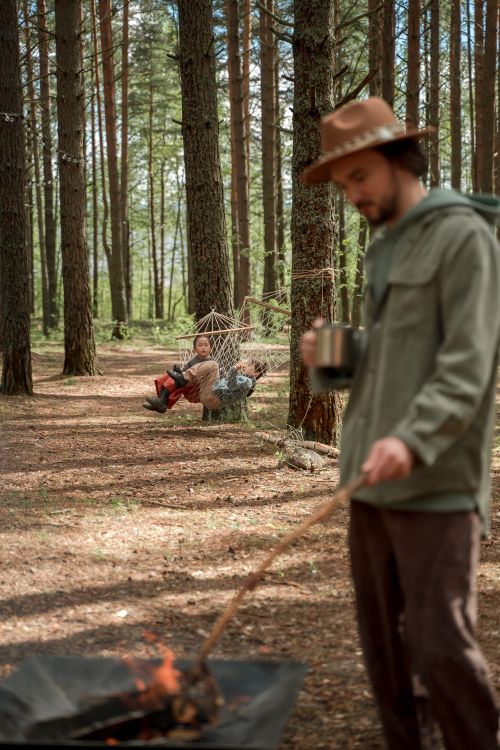
Your first camping weekend does not need a spectacular destination, an expensive equipment collection, or a packed itinerary. It needs a place where you can sleep comfortably, feed everyone without too much work, and try a few things at your own pace. For most beginners, a reserved campsite in a developed campground is a useful starting point. You can keep your vehicle nearby and choose facilities that make the unfamiliar parts feel manageable.
This plan is for a mild-weather, two-night family car-camping trip. It is not a plan for remote backpacking, winter camping, or an unstaffed wilderness area. Think of the weekend as a practical introduction: enough time to settle in, with room to change your mind.
What should you decide before buying camping gear?
First, choose who is coming and what they need to sleep well. A child who wakes frequently, an adult who needs an accessible restroom, and a family bringing a dog will each influence the campground choice. Write down the non-negotiables before searching for a scenic photo.
Second, choose your comfort level. Do you want flush toilets, potable water, showers, or a site close to the parking space? None of these makes the trip less legitimate. Third, choose the kind of day you want: a short nature walk, relaxed time around camp, or access to a playground. One planned activity is enough for a first full day.
Choose a destination you can reach in daylight
For this first attempt, a short drive often beats a famous park. Work backward from the campground's check-in time and local sunset. Add time for a grocery stop, traffic, a restroom break, and finding your actual site. A plan that requires everyone to be perfectly on schedule is not a relaxed plan.
Read the individual campsite description as well as the campground overview. Check whether it is a drive-in or walk-in site, whether tents are permitted, and whether the tent pad fits your equipment. Save the reservation confirmation and directions offline. A navigation app should not be your only record of where you are staying.
Rehearse the unfamiliar parts at home
Set up the tent with the people who will actually help at camp. Find the rainfly, stakes, and guylines. Take a photo of the finished setup and keep the instructions with the tent. Inflate the sleeping pads, check their valves, and see whether everyone fits inside with room to reach the door.
Then make one practice meal using your planned cooking equipment, following its instructions outdoors. This reveals missing utensils faster than a shopping list does. Pack a complete change of sleeping clothes separately from daytime clothing so it remains dry. Decide which adult is responsible for each bag or bin; shared responsibility can otherwise become no responsibility.
Give Friday a very small job
Arrival day is for getting settled. Put a simple ready-to-eat dinner or easily reheated meal in the plan, rather than making your first evening depend on a campfire. Check in, inspect your site, establish where children may play, and get the tent and beds ready before beginning optional jobs.
Keep the headlamps, jackets, water, and bathroom supplies accessible rather than under the last layer of luggage. After dinner, take a brief walk to identify the restrooms and your return route. Review quiet hours and the food-storage rules. The National Park Service recommends checking campground facilities and regulations before traveling and setting up before dark. Read the NPS campsite guide.
Leave space in Saturday
Build the day around breakfast, one modest outing, lunch, downtime, and dinner. If everyone is enjoying the campsite, you do not need to drive somewhere else to justify the trip. Pack a small activity bag with cards, paper, pencils, and a book. Let children help choose between two realistic activities rather than promising every possibility.
Before leaving camp, secure food and trash according to the local rules. Take the supplies needed for the outing itself. A campground reservation does not prepare you for a hike; decide separately whether the route, conditions, and distance suit everyone in the group.
Make leaving part of the plan
Choose a quick final breakfast and start packing nonessential items first. Leave one accessible bag for the drive home. Follow the campground's checkout time and disposal instructions, then walk the site slowly for stakes, litter, and forgotten belongings. Dry and air equipment at home before storage.
Finally, write three notes: what worked, what was missing, and what you never used. Those notes are a better shopping guide than a long list of upgrades. Your first weekend succeeds when you learn how your family likes to camp—not when you do everything perfectly.
Useful next steps
Compare gear essentials before buying, or estimate your weekend costs with our free calculator.