As an Amazon Associate I earn from qualifying purchases. This article includes affiliate links; purchases may earn us a commission at no extra cost to you.
What can a family eat while camping without cooking?
Build meals from wraps, ready-to-eat beans, tuna pouches, cereal and whole fruit, adapting for allergies. No-cook does not mean no refrigeration: hummus and other perishable fillings still need cold storage at 40°F or below. For a no-cooler menu, choose unopened foods explicitly labeled shelf-stable.
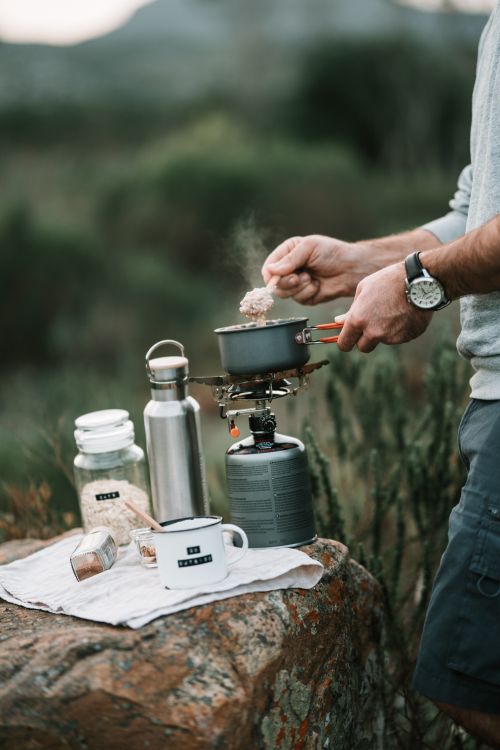
No-cook camping meals make arrival night easier: park, set up the sleeping space, wash your hands and assemble dinner. The important distinction is between food that needs no cooking and food that needs no refrigeration. A prepared chicken wrap is no-cook, but it still needs reliable cold storage. Choose your menu around the storage you can actually provide.
Do no-cook meals need a cooler?
For a weekend with a properly managed cooler, chilled ingredients can give you a varied menu. USDA advises keeping cold food at 40°F or below and separating raw food from ready-to-eat ingredients. If you cannot maintain that temperature, build meals from unopened products explicitly labeled shelf-stable. Check storage directions after opening, too. A carton that sits on the grocery shelf may require refrigeration once opened.
A flexible Friday-to-Sunday menu
- Friday dinner: tortillas with ready-to-eat canned beans, salsa and crunchy vegetables. Choose suitable shelf-stable portions or keep opened ingredients cold.
- Saturday breakfast: cereal with single-serving shelf-stable milk, opened at the meal, and whole fruit.
- Saturday lunch: tuna pouches, crackers and whole fruit, with a bean-based alternative for anyone avoiding fish.
- Saturday dinner: hummus wraps with vegetables, using hummus and prepared produce from a temperature-controlled cooler.
- Sunday breakfast: nut or seed butter on bread with bananas, checking allergies and the product’s storage instructions.
These are meal templates, not a fixed nutrition plan. Adjust portions for appetites, dietary needs and your activities. For a family of four, write four portions beside each meal before shopping. Check whether one packet actually serves one person; package fronts can make this surprisingly easy to miss.
Build a short, overlapping grocery list
Use the same tortillas and vegetables for two meals, and choose fruit that travels well. Put groceries into three groups: shelf-stable unopened food, refrigerated ingredients and drinking water. Add a fourth line for the small things: salt, utensils and a can opener if any can needs one. Decide what you will do with opened leftovers before buying large tubs. Smaller packages can reduce waste when refrigeration is limited, even when they cost more per ounce.
Pack the kitchen you still need
No stove does not mean no kitchen. Bring clean hands, potable water, eating utensils, a safe cutting setup, food-safe containers and a way to handle trash under campground rules. Pack dinner supplies near the top of the car so the first meal does not require unloading everything. Keep a separate bag for washing supplies; a sticky knife should not go back into the clean utensil pouch.
Product to consider: Fit + Fresh Cool Coolers XL Slim Ice Packs, four-pack. A smaller lunch cooler where slim reusable packs fit beside food containers. Read the model guide or check current Amazon options.
Small slim ice packs may fit a lunch cooler, but do not assume a four-pack can refrigerate an entire family weekend’s food. Choose cold capacity for your cooler and verify temperature. See our cooler packing guide.
Give yourself a backup dinner
Keep one complete shelf-stable meal unopened for a delayed arrival or changed plan. Pick foods everyone already eats, rather than experimenting when children are hungry. A freeze-dried meal requiring boiling water is not a no-cook backup. Record your menu and grocery quantities in the $9 camping planner; a written plan also lets another adult take over lunch without asking where everything is.
Source: USDA outdoor food-safety guidance.
Do a five-minute rehearsal
Lay out one meal at home with the utensils and containers you intend to bring. Open the relevant packaging, check whether anything needs draining and identify where the waste will go. This is also the moment to discover that the children prefer fillings separately. Write that preference beside the menu so camp lunch stays simple for whichever adult prepares it.
Useful next steps
Compare gear essentials before buying, or estimate your weekend costs with our free calculator.