How do you make a first camping weekend easier for kids?
Use familiar meals and bedtime routines, give children manageable jobs and establish campsite boundaries before unloading. Keep activities simple and allow rest between outings. Let children help with a realistic choice, such as a snack or short activity, while adults remain responsible for safety and planning.
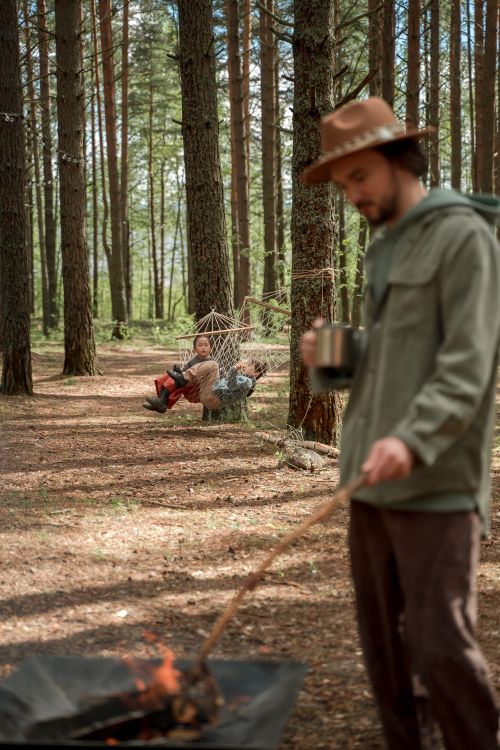
Camping with children goes more smoothly when the day has a recognizable rhythm and expectations are small. You do not need to entertain everyone constantly or turn the weekend into an outdoor lesson. A few familiar routines, clear boundaries, and manageable choices create room for the interesting parts to happen naturally.
Plan around the children who are coming, not an imaginary age group. A toddler, an energetic grade-school child, and a teenager may need completely different activities and supervision. Keep medical needs, food preferences, mobility, sensory comfort, and ordinary sleep routines in the plan from the start.
How can children help plan the trip?
Before the trip, offer a choice between two suitable activities or meals. A child might select a short nature walk or a campground scavenger hunt, or choose which familiar breakfast comes along. Keep the options realistic so the choice does not become a promise you cannot keep.
Show them a photo of the tent and explain the practical differences from home: where they will sleep, how the bathroom works, and what might sound different at night. Avoid promising that they will love every part. Curiosity and uncertainty can both be present on a good trip.
Assign useful, age-appropriate jobs
A younger child can choose a comfort item, place napkins on the table, or help sort clean socks. An older child might check a packing list, organize the activity bag, or help arrange sleeping pads. Adults remain responsible for safety-critical tasks, food handling, cooking equipment, and confirming that essential items are packed.
Give a job a clear beginning and end. “Put these four mugs on the table” is easier to follow than “help set up camp.” Thank children for the specific contribution without turning every task into a competition. Leave time for jobs to take longer than they would at home.
Establish boundaries before unloading
On arrival, one adult can supervise children while another checks in or begins setup. Point out the site's boundary, the road, the bathroom route, and any nearby water or other hazards. Decide where children can be while adults are busy, and keep supervision appropriate to age and conditions.
Agree on a simple rule for leaving the site: tell the responsible adult first, and go only with the agreed supervision. Do not rely on a child remembering the site number in place of supervision. Keep a current plan for what to do if someone becomes separated, using the campground's guidance.
Build the day around meals and rest
An uncomplicated rhythm might be breakfast, one outing, lunch, quiet time, relaxed camp activities, dinner, and bedtime. The spaces between are not failures to plan. They are what let a late breakfast or a slow walk remain pleasant.
Pack familiar snacks and make access predictable. Keep food stored appropriately rather than leaving a snack table open all day. Children can understand that wildlife does not need our food. The NPS Leave No Trace guide advises observing animals without approaching or feeding them and securing food and waste.
Choose activities that suit the place
Try a color-spotting walk, a sound map drawn from a seated position, leaf shapes sketched without collecting them, or a story built one sentence at a time. These activities work without a large equipment kit and can be shortened whenever attention runs out. Leave natural objects where they are and keep activities within local rules.
A child who wants to read in a chair is still camping. An older child may appreciate responsibility for choosing a route from suitable options or documenting the trip with photos. Ask before sharing identifiable pictures publicly. The goal is shared time, not a complete record of every moment.
Keep bedtime recognizable
Bring the small things that genuinely help: a familiar story, appropriate comfort item, or the usual sleep clothing. Arrange beds in daylight so tired children are not waiting while adults solve tent problems. Explain the nighttime bathroom plan, locate each person's light, and keep the path out of the sleeping area clear.
Do not assume a late bedtime will lead to sleeping in. A simple breakfast ready to assemble can make an early morning easier. If the first night is unsettled, scale back the next day's plans instead of trying to make up for it with more activities.
Define success generously
You may leave early, skip a hike, or eat the backup meal. Those changes do not erase the value of trying something new together. Before heading home, ask everyone to name one thing they liked and one thing they would change. Keep the answers practical and avoid pressuring a reluctant camper to give a positive review.
Use those notes for the next trip. Perhaps the family needs a quieter campground, a shorter drive, a more comfortable sleeping pad, or simply another familiar meal. A good first weekend gives you information about your children and your camping style. It does not have to prove that every future vacation should happen in a tent.
Useful next steps
Compare gear essentials before buying, or estimate your weekend costs with our free calculator.