What size tent does a family need?
Choose by the dimensions of your sleeping pads, usable floor space and campsite limits, rather than the person-capacity label alone. Lay out the beds at home and allow a route to the door and space for essential belongings. Check floor shape, wall slope and setup requirements before buying.
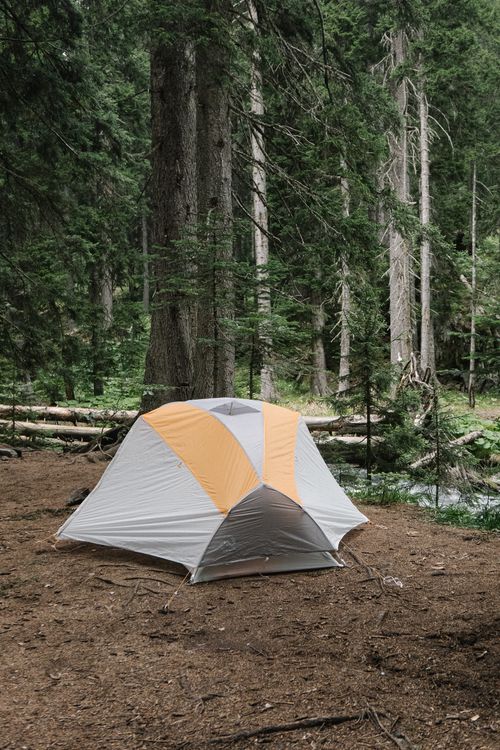
A “four-person” tent does not promise a comfortable bedroom for four people with bags, shoes, and space to change. It is a capacity label, and it should be the beginning of your comparison rather than the final decision. For family car camping, start with the floor plan you need and work toward the product, not the other way around.
This guide focuses on mild-weather trips where the tent travels in your vehicle. If you plan to carry it along a trail, weight and packed size become a different set of trade-offs. Before buying, also check that your intended campground accepts a tent with the dimensions you are considering.
How do you measure the sleeping space you need?
Write down each sleeping pad's actual length and width. If you use a double mattress or cot, use those dimensions instead of imagining two narrow backpacking pads. Place the equipment side by side at home, or mark it out with removable tape on a floor. Add the space you want for moving to the door.
Now identify where a small clothing bag can go without blocking the exit. You do not need to store every piece of luggage in the tent, but you probably want pajamas and a warm layer within reach. Decide which belongings remain in appropriate storage outside the sleeping area. Food and scented items must follow the campground's storage rules, not your preferred bedroom layout.
Compare floor shape, not just square footage
A long, narrow tent and a nearly square tent can advertise similar areas while fitting your beds differently. Tapered ends can reduce usable space. Sloping walls may make the outer edges less comfortable for sitting or changing. Look at the manufacturer's diagram and dimensions, then compare them with your taped layout.
Peak height is also only one measurement. A tall point in the center does not mean an adult can stand upright throughout the tent. Consider where you will actually change clothes and whether bending is comfortable for everyone. If mobility is a factor, pay close attention to door height, thresholds, and the route to the sleeping position.
Decide how much spare room you value
Some families are happy with closely arranged pads and minimal indoor storage. Others want space for a child to sit with a book when it rains. Neither preference is wrong, but it should be deliberate. Extra space also means more fabric to handle, a larger packed bag, and a bigger campsite footprint.
REI explains that person capacity commonly reflects how many sleeping pads fit on the floor and recommends considering extra room for people and gear. It also notes that larger models may be harder for one person to erect and may exceed campsite dimensions. Read REI's tent-selection guide.
Think about doors and daily routines
Two doors can reduce the need to climb over another sleeper, but only if the layout and site let you use them. A vestibule can provide space for muddy footwear when the tent's design and conditions allow it. It is not a substitute for approved food storage, and it is not an indoor kitchen.
Imagine a realistic morning. Who gets up first? Where are their shoes? Can they reach the zipper without stepping on a child? These small questions often tell you more about comfort than a promotional photograph of an empty tent.
Choose weather features for your actual use
Read what the manufacturer says about the tent's intended seasons, rainfly coverage, ventilation, and wind setup. Check whether the fly, required stakes, and guylines are included. A bargain price can look different when you add missing components. Do not assume a tall cabin-style tent or a lightweight dome will behave identically in exposed conditions.
For a first family trip, choose moderate conditions within your equipment's limitations. A tent purchase should not persuade you to keep a reservation during dangerous weather. It is a shelter for appropriate camping conditions, not a guarantee against every forecast.
Borrow, inspect, then buy deliberately
If you can borrow a suitable tent, use the opportunity to learn what you prefer. Check it thoroughly before relying on it: fabric, zippers, pole sections, stake attachments, and the rainfly. Assemble it in daylight and understand the instructions. A tent that has been stored for years may need more attention than a quick look at its carrying bag.
When comparing purchases, record dimensions, packed size, included parts, setup method, warranty, and return policy beside the price. Ignore unverified claims that a particular tent is the “best” for every family. Your best choice is the smallest practical tent that comfortably supports your sleeping layout, fits your campsite, and can be handled by the adults who will set it up.
Useful next steps
Compare gear essentials before buying, or estimate your weekend costs with our free calculator.