As an Amazon Associate I earn from qualifying purchases. This article includes affiliate links; purchases may earn us a commission at no extra cost to you.
How can beginners stay warm on a cool camping night?
Match the sleeping pad and bedding to the forecast, keep sleep clothes dry and prepare the beds before dark. Pad insulation matters more than mattress height alone. Do not heat a tent with a stove or grill. Choose milder conditions or leave early if the setup cannot keep everyone comfortable.
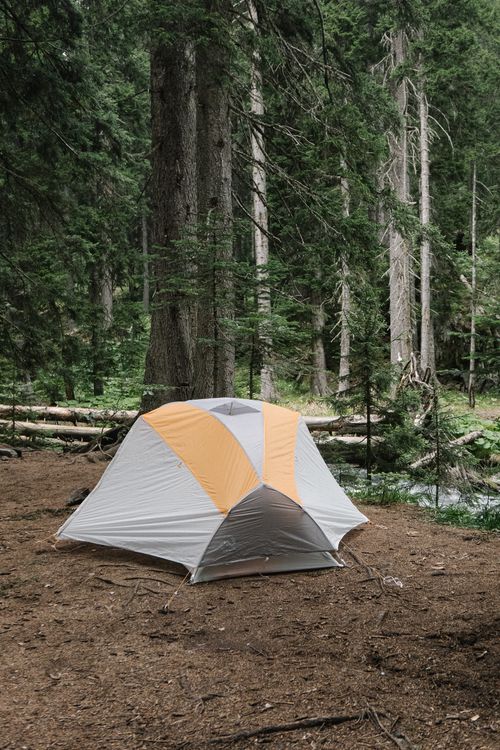
For a beginner, the best cold-weather decision may be choosing a milder weekend. This guide covers preparation for cool nights at a developed campground, not remote winter travel or extreme cold. Start with the actual overnight forecast and your family’s needs. A reservation is not a reason to use equipment outside its intended conditions.
What makes a camping sleep system warm?
Your sleeping bag is only part of the bed. An insulating pad helps reduce heat loss to the ground, and dry sleep clothing completes the setup. REI explains that pad R-value measures resistance to heat flow: higher values indicate more insulation. Compare manufacturer ratings and intended use rather than assuming thickness equals warmth.
A tall household-style air mattress may look comfortable but height alone does not establish its insulation. Before packing one, check whether its instructions and thermal performance suit the trip. Our Intex twin airbed guide covers power and tent-fit questions; it should not be read as a cold-weather recommendation.
Prepare a dry bedtime bag
Give each person a separate set of sleep clothes and protect that set during transport and setup. Put the clothes, an appropriate warm layer and other bedtime items together, so nobody searches through damp daytime equipment after dark. Plan where wet jackets and muddy footwear can stay without touching bedding or blocking the exit.
Rehearse the bed layout at home. Check that pads fit without bending, sleeping bags have room to loft and the door remains accessible. A child should not have to crawl across another person’s bed to reach shoes. These small layout choices make it easier to keep sleeping gear organized throughout the weekend.
Make the evening easier before sunset
Set up beds while there is daylight, then put lights where each person can find them. Charge or replace batteries before leaving home and keep the instructions available. Choose a simple dinner with an alternative if outdoor cooking becomes impractical. Finish optional camp jobs early enough that everyone can change clothes and settle in without a rushed last hour.
Product to consider: LHKNL Rechargeable Headlamp, two-pack. Two adults sharing campsite jobs who want separate rechargeable, hands-free lights. Read the model guide or check current Amazon options.
A headlamp helps with those practical tasks; it does not change whether conditions are suitable for your equipment.
Keep combustion out of the sleeping space
Do not use a camp stove, grill or charcoal to warm a tent. Fuel-burning equipment can create carbon monoxide, and a cracked tent door is not a safe heating plan. CPSC warns about carbon monoxide from camping equipment and against using fuel-burning portable heaters or lanterns while sleeping in enclosed spaces. Use equipment only as directed and keep cooking outdoors.
Treat accessories as extras
Hand warmers may be useful for the label’s intended outdoor use, but they are not a substitute for a suitable bed. Read placement, skin-contact, age and sleeping warnings on the exact pack. More accessories should not be the answer to a forecast your existing gear cannot handle.
Product to consider: HotHands Hand Warmers, 40 pairs. Repeated chilly outings where battery-free hand warmth is useful. Read the model guide or check current Amazon options.
Agree on a change-of-plan decision
Before leaving, discuss which forecast changes would make you postpone, and how you would leave early if the family cannot get comfortable. Keep vehicle keys, essential medications and departure supplies easy to find. For a first trip, choosing a nearby campground reduces the cost of changing your mind.
Use the family sleep-system guide for the wider setup, and record each person’s bedding and dry clothes in the camping planner. Sources: REI sleeping-pad guidance and CPSC camping-equipment guidance.
Useful next steps
Compare gear essentials before buying, or estimate your weekend costs with our free calculator.