How do you plan meals for a two-night family camping trip?
Plan Friday dinner through Sunday breakfast using familiar foods and overlapping ingredients. Make arrival dinner easy, keep lunch mostly assembly-based and choose a quick final breakfast. List quantities, utensils and cold-storage needs for each meal, and carry an appropriate no-cook fallback.
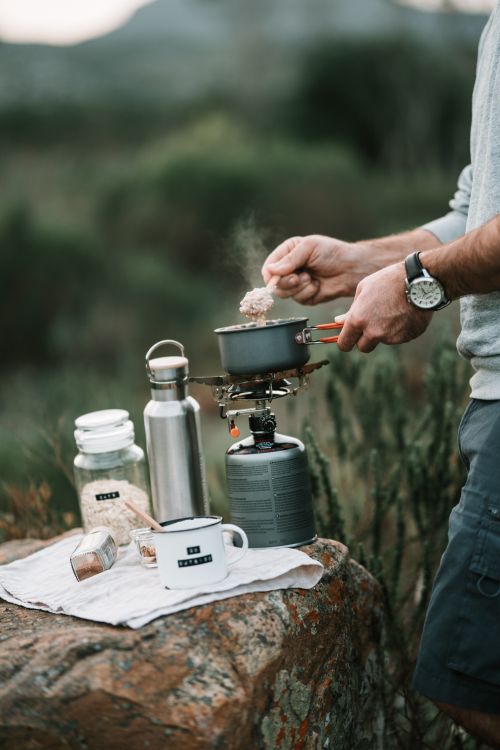
A first camping menu works best when it uses familiar foods and repeats ingredients deliberately. You are already learning how to set up a tent and find the campground bathroom; dinner does not also need to become a cooking experiment. Plan meals that fit your equipment, appetite, dietary needs, and ability to keep ingredients safely chilled.
This example covers Friday dinner through Sunday breakfast. Adjust portions to your household rather than treating four campers as four identical appetites. Check allergies and food labels, and bring enough suitable food for everyone. Prices and package sizes vary, so build the grocery list from the menu you actually choose.
What should you eat on arrival night?
Choose ready-to-eat wraps with a filling your family already likes, whole fruit, and a crunchy side. A shelf-stable filling can simplify arrival; refrigerated fillings require a reliable cold chain. Keep the first meal together so it does not require unpacking every kitchen item to feed hungry travelers.
An alternative is a familiar prepared meal that can be safely chilled, transported, and reheated. Avoid depending on a newly built campfire for dinner. Fire restrictions, damp conditions, or late arrival can turn that plan into an unnecessary problem. A no-cook option gives you time to set up sleeping equipment before dark.
Saturday breakfast: one pot, easy choices
Oatmeal with toppings lets each person choose a combination without creating several separate meals. Pack the dry portions at home, then bring fruit, seeds, or other suitable toppings in small containers. Use the preparation instructions for your chosen oats and any dietary substitutes.
If oatmeal is not popular, use another breakfast you already know will be eaten. The useful idea is a predictable meal with little cleanup, not forcing a particular camping tradition. Set out mugs and breakfast items the night before in their required secure storage so the morning starts with fewer decisions.
Saturday lunch: assemble rather than cook
Use tortillas or bread again for sandwiches, alongside vegetables and fruit. Make lunch at camp, or pack it appropriately for a short outing while maintaining safe temperatures. Carry a bag for wrappers and food scraps. Plan what happens to opened ingredients rather than assuming they can sit on the picnic table all afternoon.
Repeating a bread or tortilla base reduces the number of half-used packages. To avoid boredom, change the filling or side rather than buying an entirely different set of ingredients. Leave room for appetites to vary; a selection of familiar components is often easier than a meal that only works when everyone eats the same thing.
Saturday dinner: one-pan beans and rice bowls
For a straightforward option, use packaged cooked rice and canned beans prepared according to their labels, with seasonings and toppings your household enjoys. Heat in suitable cookware on an outdoor stove following its instructions. If you choose refrigerated toppings, keep them chilled until serving and return them promptly to cold storage.
This is a flexible framework, not a fixed recipe. You can substitute a familiar pasta meal or another one-pan dish. Write the exact ingredients and quantities in your planner before shopping. Pack only the utensils that dish requires, including a can opener if your cans need one.
Sunday breakfast: make packing easier
Choose bagels, bread, fruit, or another low-cleanup breakfast suited to your family. Keep the food and serving items accessible while other equipment is packed. Avoid a large final cooking project if it will leave a pile of greasy dishes just before checkout.
Keep a separate snack allowance rather than quietly using tomorrow's meal ingredients whenever someone is hungry. A small reserve of suitable shelf-stable food provides a fallback if your arrival is delayed or cooking is unavailable. It should still be stored under the campground's wildlife rules.
Keep the cold chain measurable
Use a cooler thermometer and enough cold sources to keep perishables at 40°F or below. USDA guidance says to discard perishables left above safe cold temperatures for more than two hours, or one hour when the surrounding temperature is above 90°F. Keep raw foods separate from ready-to-eat foods and use a food thermometer when cooking meat. Read USDA's camping food-safety advice.
Pack a simple kitchen kit: cookware for the menu, stove and compatible fuel if needed, cooking and eating utensils, a covered knife, cutting board, bowls, water, handwashing supplies, a wash basin, cleaning tools, and trash bags. Follow local washing and waste rules. Cook outdoors in a suitable location, never inside a tent.
Make one final menu test
For every meal, ask: Where is the food stored? What makes it safe to eat? What equipment does it need? What happens if we cannot cook? If you can answer those four questions, the menu is ready. After the trip, record what was eaten and what came home. That is the easiest way to reduce both food waste and planning time for the next weekend.
Useful next steps
Compare gear essentials before buying, or estimate your weekend costs with our free calculator.