How do you budget for a first camping trip?
Separate trip costs from reusable gear purchases. Estimate campsite fees, transport, meals and small extras, then list gear you own, can borrow and genuinely need to buy. Keep a contingency and prioritize suitable shelter and bedding before comfort upgrades. Use your actual destination and equipment gaps rather than a universal price estimate.
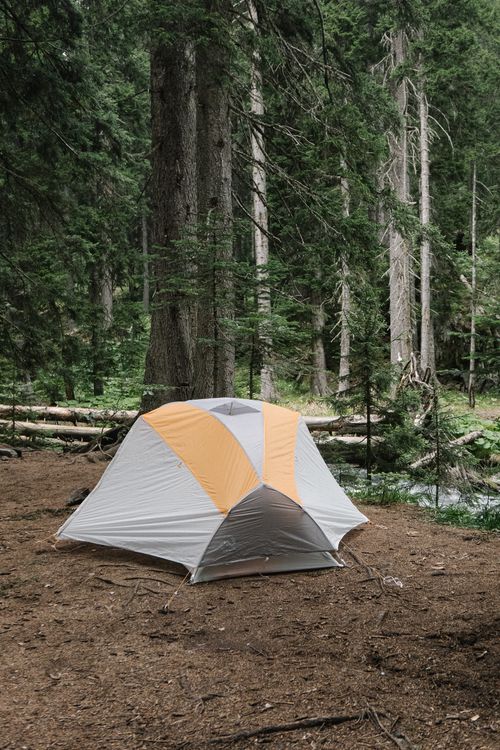
The cost of a first camping trip can look surprisingly high when every reusable item is charged to one weekend. Separate equipment purchases from the cost of the trip itself, then decide which purchases can wait. That gives you a clearer picture of what camping will cost again next month and what is a one-time experiment.
There is no universal “cheap camping” figure. Campsite fees, travel distance, household size, weather, and equipment you already own all change the total. Use current prices for your actual destination and suppliers. The framework below is a budgeting method, not a claim that every US family can camp for a particular amount.
Which trip costs should you estimate first?
Choose a likely campground and dates before creating a gear wish list. A developed site with water, a picnic table, and suitable restrooms may reduce the equipment you need. A remote or primitive site can require more preparation and supplies even when its nightly fee is lower.
Write down reservation charges, any separate entrance or parking fees, expected fuel costs, meals, ice, and other unavoidable expenses. Check the cancellation terms. The cheapest reservation is not necessarily the cheapest weekend if it involves a long drive or a costly change of plan.
Use three gear columns
Make columns labeled “Already have,” “Can borrow or rent,” and “Need to buy.” Put each item in one column only. Check the cupboard before assuming you need camping-specific plates, mugs, or cooking utensils. Durable household items may be suitable when their size and intended use fit the trip.
Borrowing is particularly useful for learning what you like about a tent or sleeping pad. Inspect borrowed equipment and practice with it before departure. REI's beginner camping guide identifies borrowing or renting major equipment as a way to reduce the initial investment. Ask about rental availability and current charges locally rather than assuming a store offers the service.
Protect the essentials from the extras
Prioritize appropriate shelter, a workable sleeping setup, food and water arrangements, clothing for the conditions, lighting, and individual health needs. An inexpensive accessory is still wasted money if it does not solve a problem. Decorative lighting, specialized coffee equipment, and extra kitchen appliances can wait.
Avoid solving a safety or comfort gap by buying the cheapest item without checking its specifications. A pad that cannot meet your needs or a tent that does not fit the campsite is not a saving. Compare the product's intended use, dimensions, included parts, and return policy alongside its price.
Build a transparent example worksheet
For illustration only, imagine a family enters $80 for two campsite nights, $45 for travel, $70 for trip groceries, $15 for ice and consumables, and $30 as a contingency. That produces a $240 trip budget before new gear. These are hypothetical planning entries, not researched market prices or a recommended spending target.
If they then buy $180 of reusable equipment, the first-trip cash total becomes $420. Keep both numbers visible. The next trip may avoid that purchase, but will still have reservation, travel, food, and replacement costs. This distinction is more useful than describing camping as either free or prohibitively expensive.
Count food fairly
Decide whether you are tracking the full grocery bill or only the extra cost above what the family would have eaten at home. Either method can work, but switching between them makes comparisons misleading. Record restaurant stops separately so a forgotten lunch does not disappear into the fuel budget.
Plan meals with overlapping ingredients and familiar portions. Keep a suitable backup meal, but avoid shopping as if every possible recipe will be cooked. After the trip, note what came home unopened and what ran out. That information reduces waste more reliably than guessing a smaller budget next time.
Include the little recurring costs
Ice, compatible stove fuel, batteries, laundry, and replacing worn supplies are easy to overlook. Some costs will not happen on every trip, but they still belong in the overall picture. Leave room for unexpected changes without treating the contingency as money that must be spent.
If you are considering several campgrounds, compare the all-in trip estimate for each. A nearby site with a higher nightly rate may cost less overall than a cheaper site several hours farther away. Time matters too: arriving relaxed and in daylight can be worth more than a small saving.
Review before upgrading
After the weekend, record the actual spending and the equipment you used. Make a short “next time” list, then wait before purchasing everything on it. Separate a real problem from a momentary annoyance. One better-fitting sleeping pad might improve the trip more than a trunk full of new accessories.
Your budget should support the kind of camping your family enjoys. Starting with a modest, repeatable weekend gives you evidence about where future spending belongs. That is a stronger foundation than buying a complete outdoor lifestyle before the first tent has been pitched.
Useful next steps
Compare gear essentials before buying, or estimate your weekend costs with our free calculator.