How do you make rainy camping easier with children?
Protect dry bedding separately, pitch the tent according to its instructions and plan meals that do not depend on a campfire. Pack spare clothes and a small activity kit. Check destination alerts and agree when to leave; a tent is not a safe shelter from lightning.
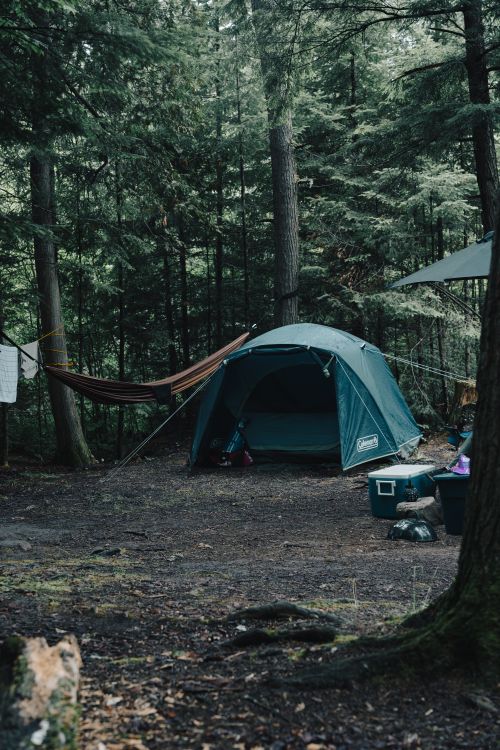
Rain can make a campsite inconvenient, but the important distinction is between manageable wet weather and conditions that make the trip unsafe. A forecast of light rain is not the same as thunderstorms, flooding, dangerous wind, or a severe-weather warning. Start by deciding whether the trip is appropriate at all, then plan how to handle ordinary rain within your equipment's limits.
For a first family trip, you are allowed to postpone. The money and effort already spent do not make a dangerous forecast more manageable. Agree on that principle before leaving home so changing the plan does not feel like a decision made under pressure.
Which weather forecast should you check before camping?
Look at the forecast for the campground and your travel route. Read the campground operator's alerts as well as the weather forecast. Consider the timing: a dry setup followed by a wet afternoon is a different experience from arriving after dark in heavy rain. Check again shortly before departure because conditions can change.
Save a practical backup plan. Know where you could go if the campground closes or conditions deteriorate, and whether nearby shelter is actually accessible. Do not assume a picnic pavilion is appropriate storm shelter simply because it has a roof.
Give dry sleeping gear its own protection
Pack sleeping bags, bedding, and night clothing in separate water-resistant containers or bags. Keep them closed during unloading until the tent is ready. Make one accessible bag for rainwear and towels so you do not expose everything else while searching for a jacket.
At camp, create a simple wet-to-dry routine. Remove muddy shoes at the appropriate place, contain wet outer layers, and keep the sleeping area for dry belongings. Children are more likely to follow a routine with a clear location for each item than a general instruction to “keep the tent clean.”
Set the tent up as its manufacturer intends
Practice fitting the rainfly and guylines before the trip. Check the fabric and seams while you still have time to address problems. Use a correctly sized footprint if your tent calls for one, and follow the setup instructions. Extra plastic protruding beyond the tent can collect water rather than improve protection.
Stay on the designated camping surface and use the site as provided. Do not dig drainage trenches or alter vegetation to improve your pitch. If the assigned area appears unsafe or waterlogged, talk to the campground staff about an appropriate alternative rather than improvising a new campsite.
Plan meals that do not require perfect weather
Have at least one suitable no-cook meal. A wet evening is a poor time to discover that every ingredient needs a lengthy cooking process. Keep meal components organized in one bin or bag, with food stored according to local wildlife requirements.
Never move a stove, grill, or fuel-burning appliance into the tent to get out of the rain. The CPSC warns that camping equipment can cause fatal carbon-monoxide poisoning in enclosed spaces. Use equipment only as instructed in an appropriate outdoor location, or use the no-cook plan.
Make a small rainy-day activity kit
Pack a compact set of activities that do not depend on screens or good reception: cards, a notebook, pencils, a familiar book, and a simple word or drawing game. Give each child one small choice before leaving home. A large box of toys can become another wet object to manage rather than a solution.
If conditions are suitable, a short walk in rain gear can be enjoyable, but do not make being outdoors a test of enthusiasm. Look for a visitor center or other indoor option in advance and verify opening hours. Sometimes the best afternoon is a snack, a story, and a change of socks.
Have a clear thunderstorm rule
A tent is not lightning protection. If you hear thunder, immediately move into a substantial enclosed building or an enclosed hard-topped vehicle; do not stay in a tent or under an open shelter. Remain in suitable shelter for at least 30 minutes after the last thunder. Follow current National Weather Service lightning guidance and local instructions. Do not wait until everyone is soaked and frightened to decide where to go.
Keep the vehicle keys available, make sure the route to shelter is understood, and avoid scattering family members around the campground when weather is deteriorating. The rain plan and the storm plan should be separate plans with different decisions.
Finish the trip by drying the equipment
If you must pack wet, separate wet items from dry bedding for the journey home. As soon as practical, unpack and dry the tent, fly, bags, and footwear according to their care instructions. Do not leave the tent compressed in its bag until the next trip. Record what stayed dry, what was difficult, and whether the weather was appropriate for your family's experience. Those notes will help you make a better decision next time.
Water droplets inside the fly can also be condensation. Use our tent condensation checklist to inspect ventilation and bedding contact before assuming the tent leaks.
Useful next steps
Compare gear essentials before buying, or estimate your weekend costs with our free calculator.