What should a family pack for a two-night camping trip?
Pack a complete shelter kit, suitable bedding and an insulating pad for each person, dry clothes, lights, food, potable water and hygiene supplies. Add medication and campground information, then build cooking equipment around the menu. Adjust quantities to your family and forecast; load arrival essentials where you can reach them.
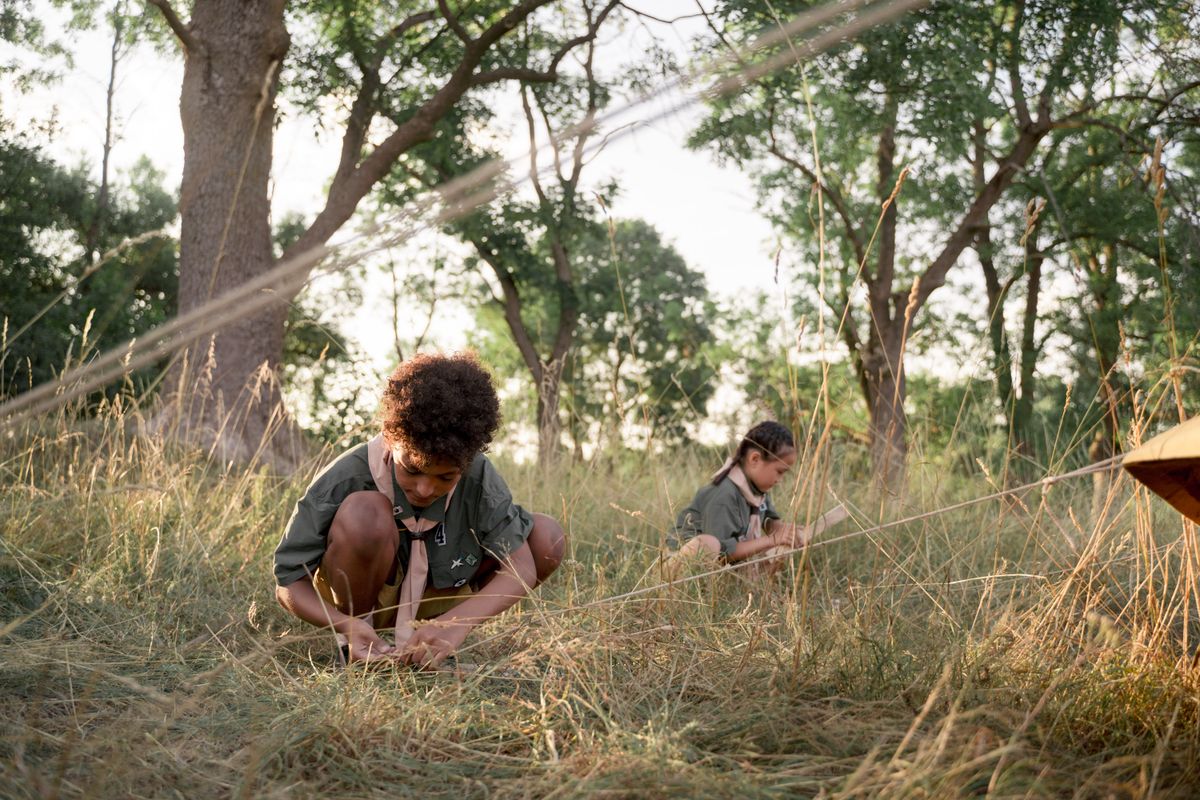
A useful camping checklist should help you make decisions, not persuade you to buy every outdoor accessory. Start with the people, campground, forecast, and meals for your particular weekend. Then pack by job: sleeping, cooking, clothing, hygiene, safety, and the small things that make time together enjoyable.
The list below is designed for a developed US campground in mild weather, with your vehicle nearby. It is a starting framework rather than a universal inventory. Adapt it for medical needs, disability access, pets, infants, regional wildlife rules, or conditions outside your equipment's capabilities.
What belongs in a complete shelter kit?
Put the tent, poles, rainfly, stakes, guylines, and manufacturer instructions together. If you use a footprint, confirm that it fits the tent rather than extending beyond the floor. Add the appropriate stake tool and the repair items recommended for your tent. Pack everything in one place so a borrowed tent does not arrive without its separate pole bag.
At home, open every component rather than checking the bag from the outside. Count the pieces during a practice setup. Check your campsite's tent-pad dimensions against the whole pitched footprint, including vestibules and guylines where relevant. A large tent is only useful if it fits the booked site.
A sleeping kit for each person
Pack a sleeping bag or suitable bedding, an insulating sleeping pad, a pillow if wanted, and dry sleep clothing. Give each person a small, identifiable bag for night items. Add a headlamp or flashlight that they can use safely, plus the necessary charging equipment or spare batteries.
Test the pad and bedding combination before departure. Home bedding may be appropriate for a carefully chosen mild-weather trip, but do not assume it works for a cold forecast. Read the equipment ratings and limitations. Keep sleep supplies in water-resistant storage for the journey, especially if luggage could get wet during unloading.
Build the kitchen from your menu
Write every meal first, then list the tools each needs. A simple menu may require one pot, one skillet, a stirring utensil, a knife with a safe cover, a cutting board, a can opener, bowls, mugs, and eating utensils. Do not bring a second cooking system merely because it appears on someone else's checklist.
If cooking, bring a suitable stove, correct fuel, and the manufacturer's lighting method. Pack potable water, a food-safe water container, handwashing supplies, a wash basin, dish tools, trash bags, and any required food-storage equipment. For refrigerated ingredients, include a cooler, cold sources, and a cooler thermometer. Check the actual campground's dishwater disposal rules before you arrive.
Clothing: keep the dry reserve separate
Lay out an outfit for each day, then add layers suitable for the forecast and the location. Include rainwear, extra socks, comfortable walking shoes, and a warm layer for a cool morning. A dedicated dry bag or sealed storage bag for spare clothing is often more useful than several extra outfits loose in the trunk.
Children may need an additional change for spills or muddy play. Keep that change accessible. A laundry sack separates worn clothing from clean layers and makes unpacking easier. Choose clothing your family already understands; a first trip is not the ideal time to discover that a new shoe rubs or a child dislikes a stiff jacket.
Hygiene, health, and practical information
Pack personal medications, a suitable first-aid kit, toiletries, sunscreen, appropriate insect protection, and any individual care supplies. Follow product labels and existing medical advice. Include toilet paper as a backup, but use the campground's sanitation facilities and disposal rules. Save the campground address, reservation, local emergency information, and a map offline.
Think about small access needs: glasses, contact-lens supplies, hearing-device charging, menstrual products, or an assistive device's power requirements. These deserve a named checklist entry rather than a vague line marked “personal items.”
Optional comfort items earn their space
A chair for each person, a few games, a picnic blanket, and a small lantern can be useful. A folding table is more valuable if the site lacks a picnic table. Screen houses, enormous coolers, decorative lights, and multiple cooking appliances can wait until you know what your family misses.
For a broad comparison list, REI's family camping checklist separates campsite equipment, kitchen gear, and optional extras. Use it to spot omissions, not as a requirement to buy everything.
Load in arrival order
Put the items needed first near the door of the vehicle: reservation details, tent kit, rainwear, lights, water, and the first meal. Label bins on the side that will be visible when stacked. Keep fuel and other equipment transported exactly as their manufacturers require.
Finally, ask a second adult to check the short essentials list: shelter components, sleeping equipment, food and water, medication, reservation, and safe lighting. After the trip, remove unused extras from your master checklist and add the items that actually solved a problem. A checklist should become more personal and shorter as your confidence grows.
Plan food storage and cool nights separately
Pair your packing list with a no-cook weekend menu, a cooler plan and, where appropriate, our cool-night preparation guide. Record quantities and who packs each item in the family camping planner.
Useful next steps
Compare gear essentials before buying, or estimate your weekend costs with our free calculator.